Thick or Thin Ear Pads: What Actually Changes?
Thick ear pads add space between your ear and the driver and usually ease clamp. Thin pads pull the cup closer and can bring back the fit and the bass the thick pair shifted. Thickness is a fit and sound choice, not a comfort slogan. Pick the depth on purpose.
Should you buy thick or thin ear pads?
Buy thick pads when clamp and shallow space are the problem. Buy thin pads when a thick pair pushed the cup out and changed the sound. The change is the distance from your ear to the driver, plus how hard the headband has to close.

How does thickness change clamp on your ears?
A thicker pad holds the headband a bit more open, so the clamp on the ear often drops. A thinner pad lets the band close tighter. If long sessions hurt from pressure, thickness is one of the levers, along with softer foam.
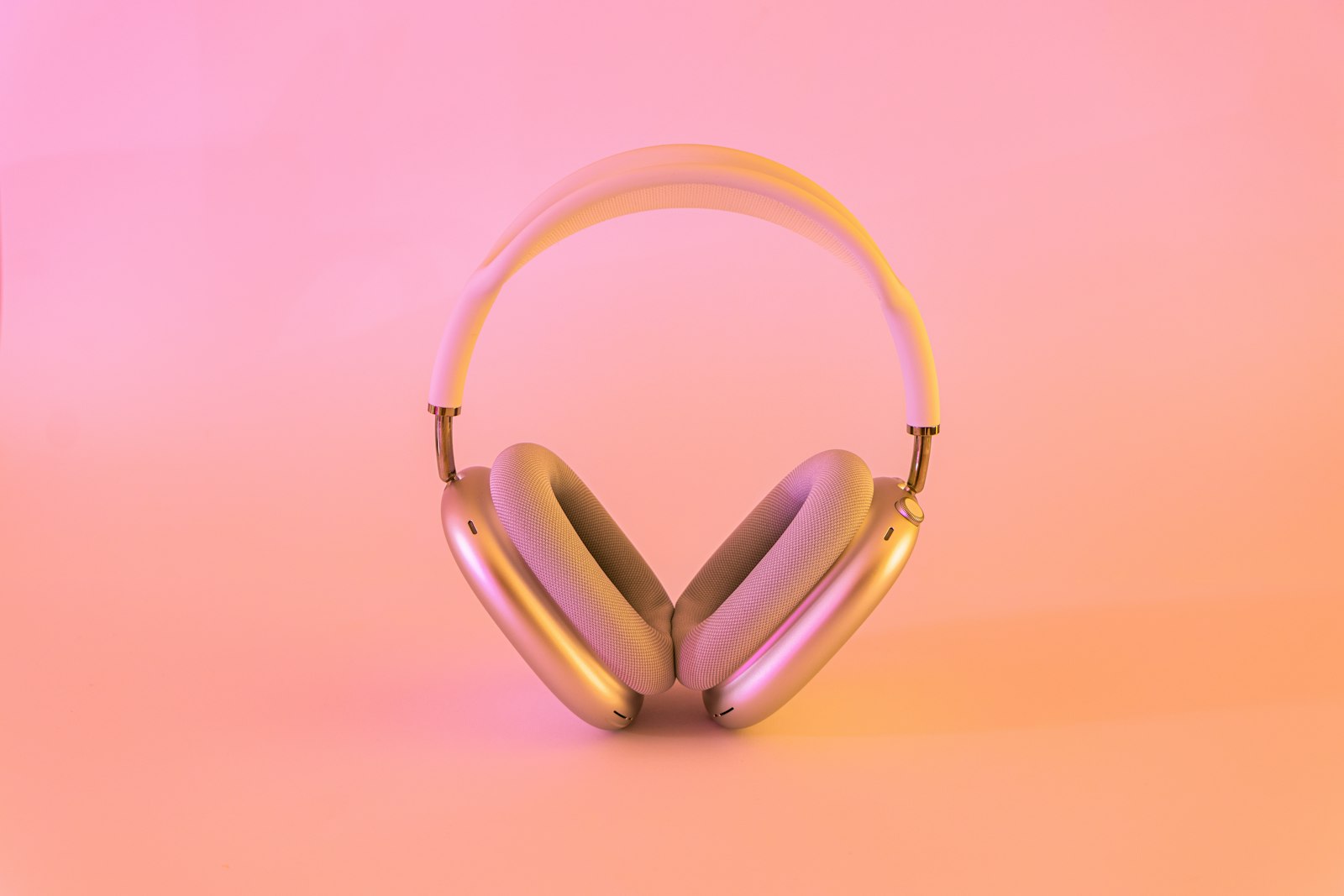
You might buy thick replacement ear pads or extra thick replacement ear pads, and thick or thin replacement ear pads are both legitimate once you know which way the clamp should move. Thick replacement ear pads and extra thick ear pads ease pressure more often than thick or thin ear pads chosen at random, while thin compatible ear pads let the band close. The pressure case is thick replacement ear pads so they press less on your ears and thick ear pads that ease clamp pressure on long work days. Further still is extra thick ear pads for a deeper fit around the ear. You can swap thin ear pads for thick ones for comfort and a different fit, or choose thin ear pads if thick ones shift how the headphones sit.
What changes in the space in front of the driver?
Thicker pads move the driver farther from your ear and give the ear more room inside the cup. Thinner pads close that gap. That distance is why a comfort swap can also move the sound, even when the drivers never changed.
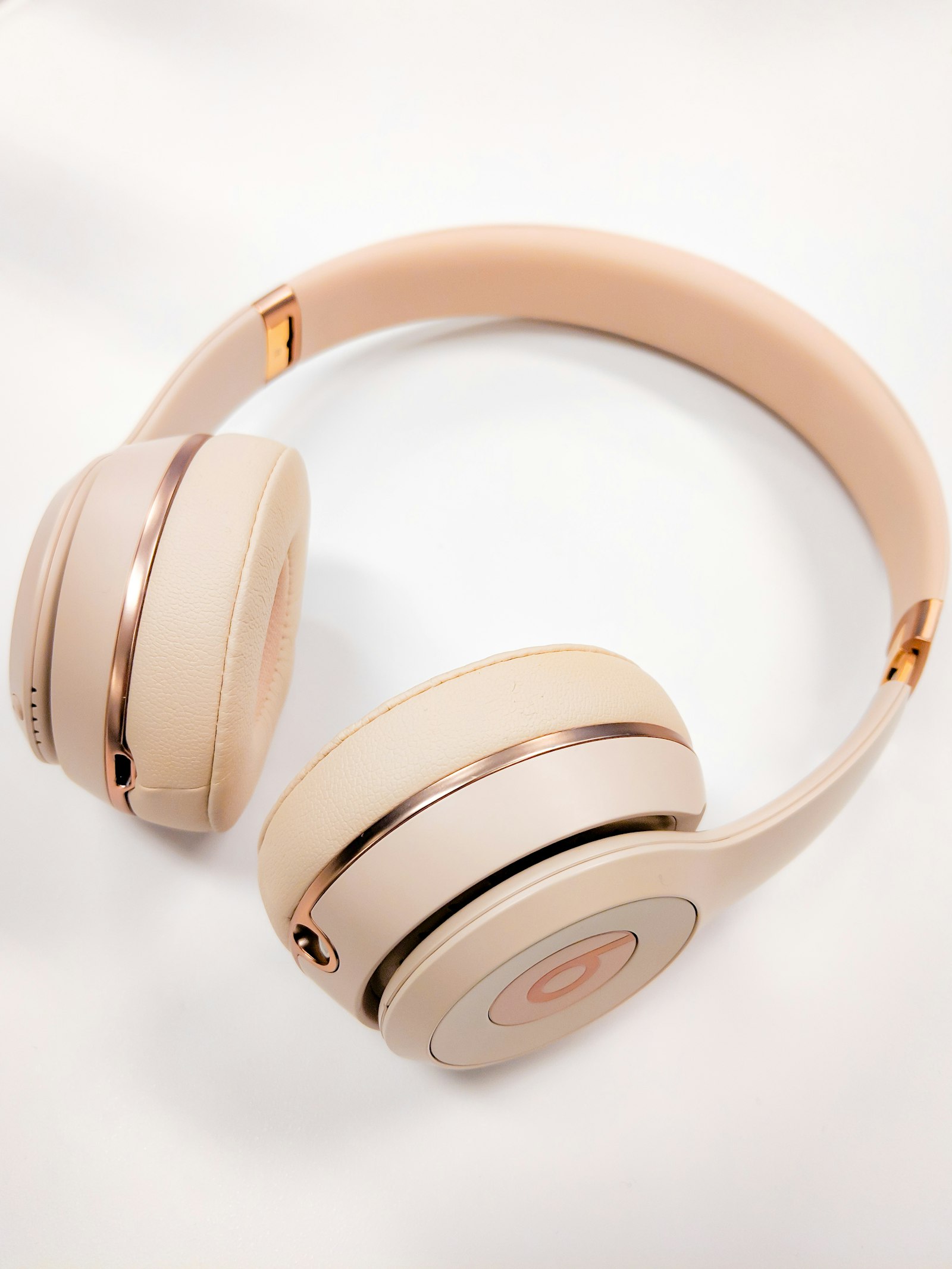
Space opens with compatible thick ear pads for headphones. It closes with thin ear pads for headphones. Farther still is what extra thick replacement ear pads do to the driver. Thick replacement ear pads, thin compatible ear pads, extra thick ear pads, and thick or thin ear pads are different depths, not different drivers. The open end is thick ear pads with more space between your ear and the driver and extra thick ear pads for a deeper fit around the ear. The close end is thin ear pads for a closer fit on your head and thin replacement ear pads when thick ones push the cup too far out. Only if you want that extra distance should you swap thin ear pads for thick ones for comfort and a different fit.
When are thick ear pads the right buy?
Buy thick pads when the stock pair is shallow, the clamp is hard, or you want more room around the ear. Extra-thick pads deepen that effect. They are the wrong buy if you are trying to restore a closer, bassier fit. On Fostex cups the deeper pad still has to use that model's ring.
When the mount matches, buy thick replacement ear pads or extra thick replacement ear pads, and look for compatible thick ear pads for headphones in the same mount. Thick replacement ear pads and extra thick ear pads are the deeper end of thick or thin ear pads, not a substitute for thin compatible ear pads when you want the driver closer. The comfort reasons are thick replacement ear pads so they press less on your ears, thick ear pads that ease clamp pressure on long work days, and extra thick ear pads for a deeper fit around the ear. The sound will also change with thick ear pads with more space between your ear and the driver. Only when that space is what you want should you swap thin ear pads for thick ones for comfort and a different fit.
When are thin ear pads the right buy?
Buy thin pads when thick ones pushed the cup too far out, changed the bass, or made the headphones sit differently on your head. A thin pair is a return toward the closer fit, not a downgrade. Koss pads are often that closer style, and a thin pad from another brand is its own part.
The way to replace thick ear pads with thin ones is thin compatible ear pads and thin ear pads for headphones. Thin compatible ear pads sit at the close end of thick or thin ear pads, opposite thick replacement ear pads and extra thick ear pads. A closer seat is thin compatible ear pads for a closer fit on your head when you need thin ear pads if thick ones shift how the headphones sit, or thin ear pads if thick ones change the bass. The driver comes nearer again with thin replacement ear pads when thick ones push the cup too far out, and with a choice to swap thick ear pads for thin ones to get the old sound back.
How can thickness change bass and the old sound?
More space and a different seal change bass and tonal balance. Thin pads are the usual way back if thick ones shifted the sound you liked. Do not treat a thickness change as silent.

The usual return is thin ear pads for headphones. You replace thick ear pads with thin ones when the old balance mattered. Keep the sound shift in mind with thick or thin replacement ear pads. The cup comes back in with thin compatible ear pads, while thick or thin ear pads, thick replacement ear pads, and extra thick ear pads each leave a different gap. The sound reason to go thinner is thin ear pads if thick ones change the bass, and a plan to swap thick ear pads for thin ones to get the old sound back. The same correction includes thin replacement ear pads when thick ones push the cup too far out, and thin ear pads if thick ones shift how the headphones sit. The bass moved because of thick ear pads with more space between your ear and the driver.
Thickness belongs to the headphone you own. A Grado cushion, a Shure monitoring pad, and a Denon pad each set a different distance to the driver. A thick pad from one of those lines mounts only on its own cup.
Which pair should you buy?
Buy the thickness that fixes the actual complaint: more depth for clamp and room, less depth to bring the driver and the old sound back. Keep the mount the same so thickness is the variable you changed.
A product link is published only after fit and catalog are confirmed.
Sponsors
- bing.com
- za.zalo.me
- forums2.battleon.com
- toto-dream.com
- localmeatmilkeggs.org
- sexy-photos.net
- audio.voxnest.com
- toolsir.com
- np-stroykons.ru
- bytecheck.com
- reporting.travelup.com
- firsttee.my.site.com
- sda.foodandtravel.com
- ipmba.org
- thickcash.com
- nekotuna.hatenadiary.jp
- gml-grp.com
- forum.lephoceen.fr
- forums.officialpsds.com
- math.auckland.ac.nz
FAQ
What actually changes with thick or thin ear pads?
Clamp, the space between your ear and the driver, and often the bass. Thickness is a fit and sound choice.
Do thick ear pads press less?
They often ease clamp because the headband stays slightly more open. Softness of the foam still matters.
Why did thick pads change the bass?
They moved the driver farther away and changed the seal. A thinner pair is the usual way back to the closer sound.
When should I buy thin ear pads?
When thick pads pushed the cup out, shifted how the headphones sit, or changed the bass you wanted to keep.
When should I buy extra thick ear pads?
When you want a deeper fit around the ear and less clamp, and you accept that the driver sits farther away.
Can I change thickness without changing the mount?
Yes. Match the clip or ring, and change the depth on purpose so you are not guessing which part of the swap caused the new sound.